Defining Luck and Skill in Gambling
In the realm of gambling, two significant forces compete for influence: luck and skill. Luck is often described as the unpredictable element that can lead to winning outcomes purely by chance. For example, in games like slots or roulette, the results are entirely random, leaving little room for strategic planning or skill application. This randomness can create thrilling moments for players, who may find themselves on a winning streak or facing consecutive losses without any apparent reason. Additionally, for those interested in maximizing their experience, exploring options like online casino real money nz can provide valuable insights. Understanding this element of chance is paramount for players who wish to navigate the gambling landscape effectively.
On the other hand, skill represents the ability to make informed decisions that significantly impact the outcome of a game. In poker or blackjack, players analyze their cards, the behavior of opponents, and apply mathematical strategies to enhance their chances of winning. Unlike games of pure chance, skill-based gambling relies on the player’s expertise and knowledge of the game mechanics, sometimes transforming the gambling experience into a strategic competition. This distinction is essential, as it can dictate the approach a player takes in their gambling endeavors.
The balance between luck and skill varies among different types of gambling activities. While some games are heavily luck-dependent, others offer players a chance to leverage their skills for better outcomes. Understanding this balance is crucial for gamblers who wish to approach their games with a clearer strategy, ultimately influencing their chances of success over time. Recognizing which games rely more on skill versus those dominated by luck can help gamblers make informed decisions about where to invest their time and resources.
The Role of Luck in Gambling Outcomes
Luck plays a critical role, particularly in games that are based on random number generation or chance. In such games, the outcome is predetermined by factors that players cannot control, making the element of luck central to all gambling experiences. For example, in lottery games, participants select numbers in hopes of striking it rich, but the odds of winning are heavily against them. Winners are often chosen at random, reinforcing the idea that luck is the primary driver of success. This reliance on chance can often lead to an exhilarating thrill, but it also carries the risk of significant financial loss.
This reliance on luck can create a rollercoaster of emotions for gamblers. A fortunate streak can lead to exhilaration and increased betting, whereas a losing streak may result in frustration and despair. It highlights the unpredictability inherent in gambling, as players must accept that outcomes can change drastically in a short period based on sheer chance. Understanding this emotional rollercoaster is crucial for players, as it can either enhance their excitement or lead to detrimental behaviors if not managed properly.
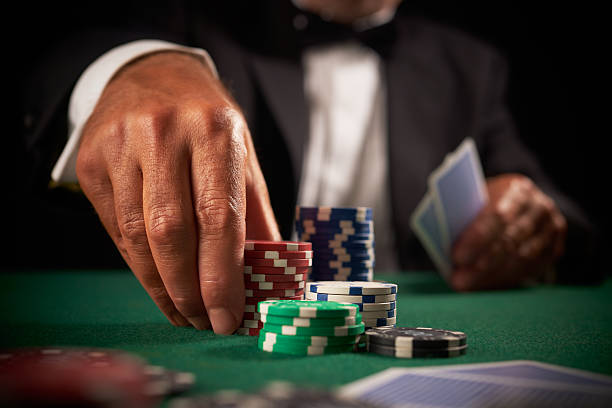
Moreover, the concept of luck extends beyond just random games. In skill-based scenarios, luck can still play a role in unexpected moments. For instance, in a competitive poker game, a player may exhibit exceptional skill, but an unfavorable card draw can snap their winning chances. Such occurrences underscore the fact that while skill is essential, the impact of luck remains significant, with the two forces continually intertwining throughout a gambler’s journey. Embracing this complexity can help players maintain a balanced view of their gambling experiences, acknowledging both their efforts and the role of chance.
The Influence of Skill on Gambling Success
Skill emerges as a powerful counterforce to the randomness of luck in many gambling scenarios, most prominently in games that require strategic thinking and decision-making. For example, in poker, experienced players utilize techniques such as bluffing, reading opponents, and employing statistical analyses to inform their strategies. This ability to navigate complex situations can lead to winning more frequently, demonstrating that skill can tilt the odds in a player’s favor. The chess-like aspect of poker illustrates how skill can transform a game predominantly influenced by luck into an arena where expertise can shine.
Beyond just strategy, the psychological aspect of skill plays an important role. Skilled players often develop a deeper understanding of the game, allowing them to remain calm under pressure and make calculated decisions. This psychological advantage can be crucial during high-stakes situations, as it enables skilled gamblers to exploit moments of weakness in their opponents’ gameplay. This insight into human behavior and game mechanics can lead to a significant edge, making skill a critical component in many gambling contexts.
However, it’s essential to recognize that even skilled players cannot entirely eliminate the influence of luck. Consequently, the best approach involves balancing skill development while acknowledging the unpredictable nature of outcomes. Gamblers who understand this dynamic position themselves to enhance their gaming experience, knowing that skill can lead to consistent wins, but luck will always hold a certain degree of sway over the final results. This duality can create a richer gambling experience, as players learn to appreciate both their skill level and the unpredictable nature of luck.
The Psychological Impact of Luck and Skill in Gambling
The psychological interplay between luck and skill can substantially affect a gambler’s mindset and approach to gaming. When individuals experience good luck, they may develop an inflated sense of confidence, leading them to take on more significant risks and bet larger amounts. This phenomenon, often referred to as the “gambler’s fallacy,” can create a false belief that their luck will continue, ultimately resulting in significant losses when their winning streak ends. Understanding this psychological trap is crucial for players who wish to avoid the pitfalls of overconfidence.

Conversely, when players rely heavily on skill, they may develop a more measured, strategic approach to gaming. This mindset allows them to set realistic expectations and remain grounded in the face of inevitable losses. Skilled players often view setbacks as learning opportunities, which can foster resilience and improve their performance over time. By understanding the psychological effects of luck and skill, gamblers can better manage their emotions and betting behavior, leading to a healthier gambling experience. This awareness can help players maintain a balanced perspective, reducing the emotional highs and lows associated with gambling.
Moreover, the social aspect of gambling also plays a role in shaping perceptions of luck and skill. Players may share stories of incredible wins driven by luck, thus reinforcing the idea that anyone can achieve fortune. Such narratives can encourage newcomers to enter the gambling scene, often with the hope of walking away with their own lucky story. In this way, both luck and skill create a multifaceted gambling environment that significantly influences player behavior and expectations. The interplay of social narratives and personal experiences can create a vibrant community around gambling, fostering both excitement and caution among participants.
Conclusion: Finding the Balance Between Luck and Skill
In conclusion, the impact of luck versus skill in gambling cannot be understated. Both elements play critical roles in determining outcomes, yet their influence varies considerably depending on the type of game being played. Recognizing the interplay between these forces enables gamblers to hone their skills in appropriate games while also maintaining a healthy perspective on luck. Understanding that luck can be unpredictable and transient can help players make more informed decisions and manage their emotions effectively. This balance is essential for long-term enjoyment and sustainability in the gambling experience.
For those looking to engage with gambling responsibly, it is vital to strike a balance between developing skills and accepting that luck will always be a part of the experience. Engaging in skill-based games can lead to greater understanding and enjoyment, while embracing luck can introduce an element of excitement and spontaneity. Ultimately, the most successful gamblers are often those who can navigate this intricate relationship with awareness and control. This awareness can lead to more fulfilling experiences and a deeper appreciation for the nuances of gambling.
As you explore the fascinating world of gambling, our website is dedicated to providing insights, resources, and expert opinions to help you understand the complexities of luck and skill in this captivating field. We strive to empower our users with knowledge and strategies that enhance their gambling experience while promoting responsible practices. Whether you’re a novice or a seasoned player, our platform is your go-to source for all things gambling-related, ensuring that you have the tools needed to thrive in this dynamic environment. Our commitment to education and responsible gaming makes us a valuable ally in your gambling journey.