The Allure of Risk in Gambling
The concept of risk is deeply embedded in the gambling experience, drawing players to the allure of uncertainty. Each game offers the possibility of winning big, often contrasting sharply with the potential for loss, which ignites a sense of excitement and engagement. This duality is essential to understanding why people are naturally attracted to casinos, where every spin of a wheel or shuffle of cards embodies the essence of chance, including platforms like australian online casino that enhance the experience. The unpredictability fuels the adrenaline, creating a unique atmosphere where hopes and dreams collide with reality.
The psychological thrill of risking something of value for a chance at a greater reward plays a significant role in the overall casino experience. Beyond the tangible outcomes, players find emotional rewards in the anticipation of what might come next. When a player places a bet, they are not just wagering money; they are investing in a moment filled with hope, anxiety, and exhilaration. This emotional engagement transforms mere gambling into an unforgettable experience, compelling individuals to return for more.
Moreover, casinos capitalize on this thrill by designing environments that enhance the experience of chance. The use of lights, sounds, and even scents all contribute to a sensory overload that keeps players engaged and immersed in their surroundings. From the clinking of coins to the flashing of screens, every element is curated to amplify the thrill of the gamble. This enchanting atmosphere encourages players to take risks, further embedding the culture of chance and luck into the very fabric of casino life.
The Psychological Impact of Luck
Luck plays an intricate role in gambling, often acting as a catalyst that shapes players’ beliefs and behaviors. The notion of luck can be empowering, as it allows individuals to feel that their fate is not entirely dictated by skill or strategy. Many players believe in lucky charms or rituals, which serve as psychological boosts during their gaming sessions. This belief system demonstrates how deeply interwoven luck is within the gambling culture, providing players with a sense of control over randomness.
In addition to personal rituals, casinos often promote the idea of luck through various marketing strategies. Promotions featuring “lucky” numbers or lucky draws tap into the human desire for fortune, encouraging players to participate in hopes of benefitting from serendipity. This not only keeps customers engaged but also fosters a community that shares stories of strikes of luck, further reinforcing the perception that luck is a vital component of gameplay.
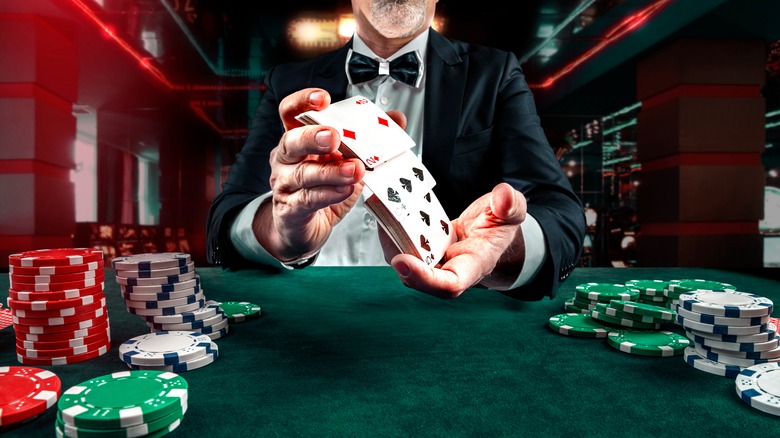
The intertwining of luck and psychology is evident in the effects of winning and losing on players’ decision-making processes. Players who experience winning streaks may feel invincible, compelling them to continue playing in pursuit of even greater rewards. Conversely, players who face losses may fall into a cycle of chasing their losses, driven by the hope that luck will eventually shift in their favor. This phenomenon showcases how the thrill of chance can lead to both euphoric highs and devastating lows, encapsulating the complex relationship between emotions and gambling.
The Role of Strategy and Skills in Random Games
While chance is a primary driver in gambling, strategy and skills also play a nuanced role in the overall experience. Many players believe that certain skills, such as card counting in blackjack or mastering poker strategies, can enhance their chances of success. This belief adds another layer of thrill, as players engage their minds in addition to relying on luck. The ability to make calculated decisions creates a sense of agency that can mitigate the randomness inherent in gambling.
However, the unpredictability of games like slots or roulette can often overshadow the influence of strategy. In these scenarios, luck reigns supreme, and outcomes are solely determined by chance. This creates a beautiful paradox where players navigate the fine line between skill and randomness, ultimately making each gaming experience unique. The contrast between skill-based and chance-based games exemplifies the variety of experiences that casinos offer, catering to all types of gamblers.
Moreover, the evolving landscape of online gaming has introduced new elements of strategy. Players can now leverage analytics and data to enhance their skill set, changing the way they engage with games of chance. This shift has sparked new conversations about the balance of luck and skill, highlighting that while luck is a prominent player, the strategic aspect can’t be overlooked. The continuous adaptation of strategies ensures that the thrill remains dynamic, inviting players to explore new ways of beating the odds.
The Social Experience of Gambling
The social aspect of gambling cannot be understated, as it significantly contributes to the overall thrill of the experience. Casinos are designed to be communal spaces where individuals can come together to share in the excitement of chance. Whether at a slot machine or a card table, the atmosphere is often electrifying, filled with laughter, cheers, and the collective anticipation of wins. This sense of community fosters connections that go beyond the games themselves, making the experience memorable.
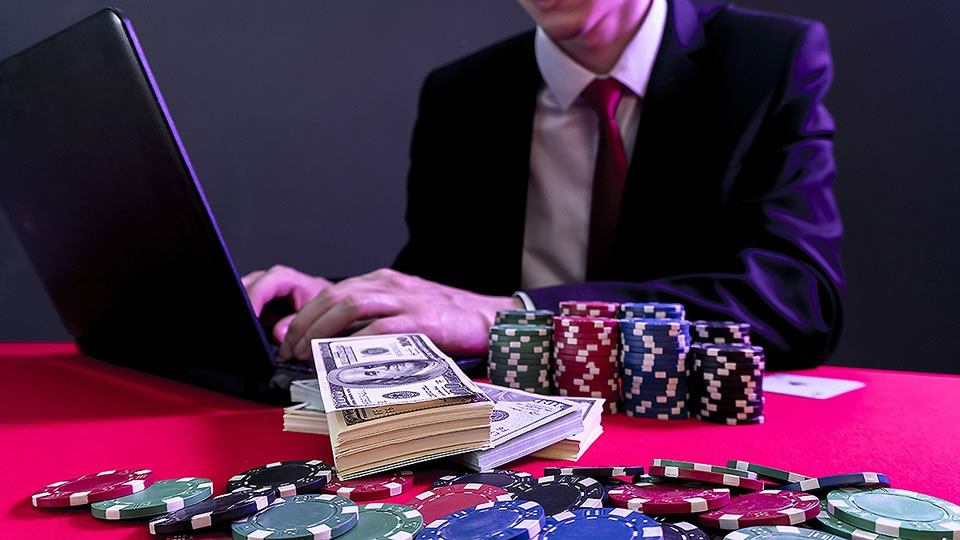
Additionally, the interaction between players and dealers or croupiers adds a unique dimension to the gaming experience. These professionals are often skilled in creating an engaging environment, guiding players through the nuances of the game while enhancing the overall excitement. Their charismatic presence can make each game feel like an event, highlighting the importance of social interaction in the gambling context. Players often find themselves drawn not just to the potential for winnings but also to the people and moments shared during gameplay.
The emergence of online casinos has shifted this social dynamic, creating virtual spaces where players can interact through chat features and live dealers. While the physical connection may be absent, these platforms still strive to recreate the communal spirit of traditional casinos. Players can exchange tips, celebrate wins, or offer support during losing streaks, keeping the essence of social gambling alive. As technology continues to evolve, the social aspect of gambling remains a vital component that reinforces why casinos thrive on chance and luck.
Exploring Online Gaming and Its Future
The transition to online platforms has fundamentally altered the landscape of gambling, but the foundational elements of chance and luck still prevail. Online casinos leverage technology to enhance the user experience through immersive graphics, interactive gameplay, and innovative features that captivate players’ imaginations. The convenience and accessibility of online gaming allow players to engage with their favorite games from their homes, making the thrill of chance more readily available than ever before.
Moreover, online gaming has introduced a level of personalization that can heighten the excitement. Players can choose from a plethora of games, each designed with unique mechanics and themes that cater to varied tastes. This customization creates a tailored gaming experience, allowing players to explore different avenues of chance. As new games are continually introduced, the diversity within online gambling expands, ensuring that the thrill of chance remains a driving force.
Looking ahead, the future of online gaming is likely to continue evolving, integrating advancements in artificial intelligence and virtual reality. These technologies have the potential to create unparalleled experiences that further enhance the excitement of chance and luck. As players seek out modern, engaging ways to experience gambling, the industry must adapt to meet these demands. Thus, the allure of casinos—whether in-person or online—will persist, fueled by the thrill of chance that keeps players coming back for more.